As much as I wanted to be at Le Hibou all the time, my work schedule didn’t permit it. Since I worked on the production of different programmes at the CBC, my work schedule varied. Sometimes it was during the day, in the evenings or on weekends. This provided me with flexibility to do the buying, office work, publicity, and bookings for Le Hibou. When I had an evening shift, I would never go directly home, I would drop in at the coffee house to see how things went.
To cover the evenings, I hired a night manager who would manage the staff, do the night’s tally, as well as clean and secure the place before leaving. The number of people who worked there was considerable, from night manager, kitchen staff, staging when required, to floor cleaners. Over the years, I’ve had a number of people who would say “Hi, do you remember me? I worked at Le Hibou” and they’d provide the date. Sometimes I would recall and other times I had to admit shamefully that I barely recalled. Over the years I had some splendid and very dedicated night managers, such as Catherine Boucher, Lois Wraight and Carolyn Petch who, without a doubt, worked the longest time—along with my brother-in-law Alan Knight.
At one time, even Bill Hawkins pitched in for a number of weeks, in particular when Penny and I traveled to Central America in the Volkswagen bus for six weeks. I remember calling Bill from Mexico wondering if the coffee house was still there or if it had burned down. I was always concerned about fire since we had candles on top of Chianti bottles. That was one the important tasks to be done before closing: Check the candles and the ashtrays for fear of a fire starting in the middle of the night.
Many of these night managers even if they had stopped working would pop in on a regular basis. Local performers would also drop by. The most regular visitors were Bill Stevenson, Sneezy Waters (Peter Hodgson), Sandy Crawley and, of course, Bill Hawkins. They were considered part of the furniture, and they thoroughly enjoyed meeting the performers.
Harvey was quite happy with me doing the nitty gritty. I would see Harvey occasionally. He would pop in to see a set and on some occasions would bring a group of friends. I recall bumping into him once after not having seen him for some time. I was visiting Alan in New York city, and one evening we went to a jazz club to see Gary Burton. To my surprise Harvey, who I had not seen for a long while, was there. I often wondered why Harvey was not present very often. I presumed that with his store, The Treble Clef, he had to travel extensively, or maybe he was just afraid that I would ask him to work the door.
The large trunk on wheels which opened up into a mini-store called Chac Mool in the day time moved with us to Sussex Drive. But more than Guatemalan napkins and tablecloths or dress material came on the scene. Penny started designing and sewing more and more dresses. As it grew, more room was required and Penny found a small space for a boutique on the Sparks Street Mall two steps from Elgin Street. Her store was a walk down, with the Imperial Barber Shop on one side and her own shop on the other. The name changed as well. Penny had acquired an old Quebecois potbelly stove, which she painted a bright pink, and the shop was renamed the Potbelly Boutique.
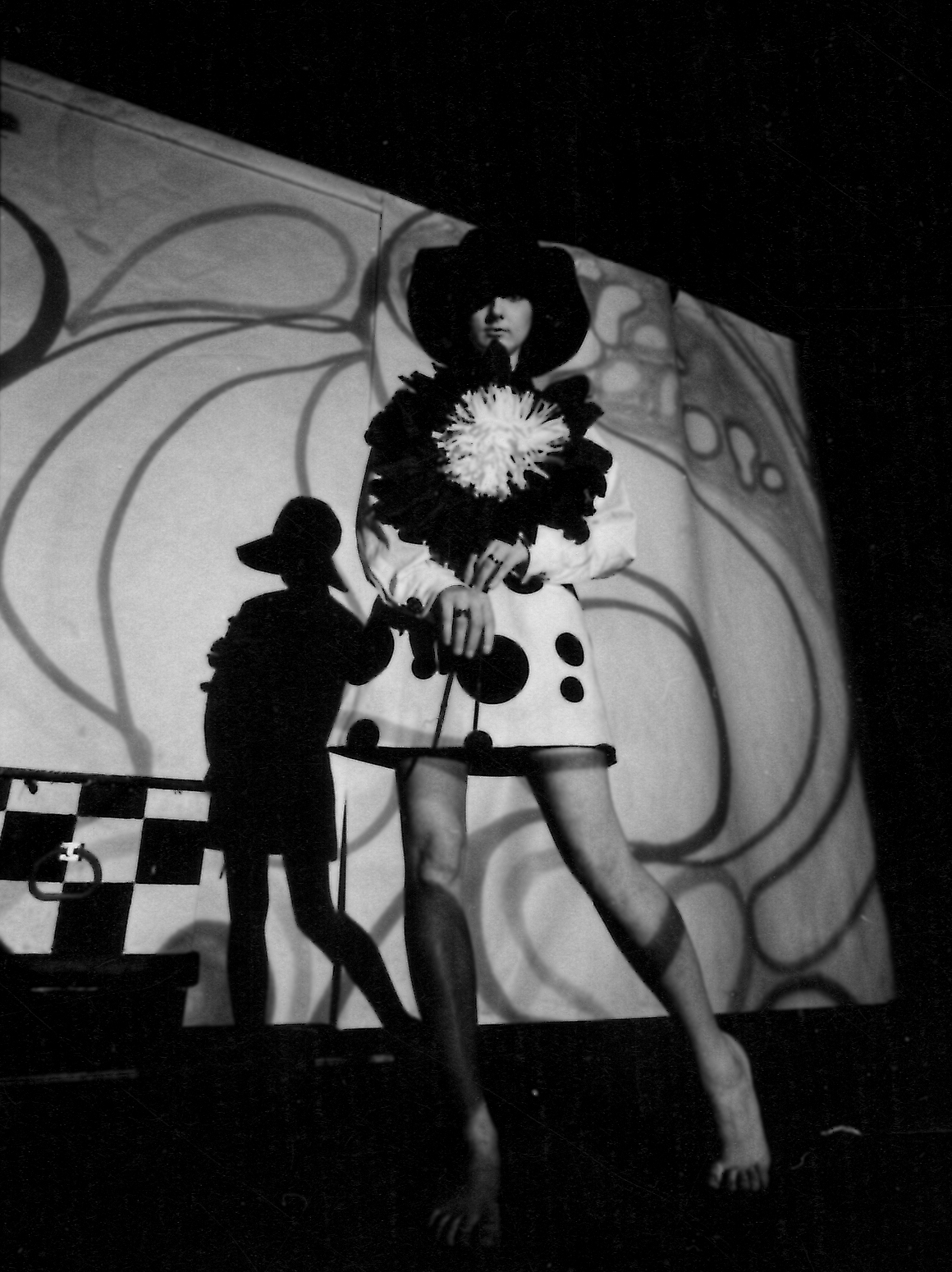
The store was one, if not the first, boutique in Ottawa, and the link with Le Hibou remained as her fashion shows were always held at the coffee house. I tried to help by bringing visuals to the show. For one of the shows, I did a bit of film which would be shown concurrently. One segment featured a model (Carolyne) elegantly dressed in a long evening dress barbequing a hot dog on a long stick at the Centennial Flame on the front lawn of Parliament. While filming, a Mountie spotted us and rushed over muttering admonishments and banning us from the site. But we got the shot anyway.
Fashionable Dress
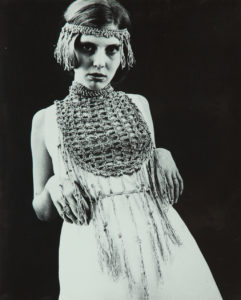
On another occasion a newly arrived Vancouverite proposed a new type of light show that originally came from San Francisco and had quickly made its way to Vancouver. It consisted of an overhead projector, ordinary cooking oil and food colouring and a glass baking dish. Since the food colouring and the water didn’t mix with the oil, it created an interesting effect, the beginnings of the light shows. A few drops of various colours in the oil would produce beautiful globules as we tilted the glass dish and used the overhead projector to project the effect on the wall.. The globules danced on the wall during the fashion show. We thought this pretty exciting then, but it was a far cry from the computer generated light shows used for rock concert these days. Nevertheless, I still remember it with a smile. Others were impressed as well. The combination of large, loosely crocheted dresses on braless models, Mondrian style dresses, and the vibrant colours combined with the light show so impressed an Ottawa television producer that he did a half hour show, touting it as an “avant garde” fashion show for Ottawa.
Children’s theatre was important to me, not only for my children, but I felt that the children of Ottawa should be exposed to their own theatre. There were few venues for children’s theatre in Ottawa in the mid 60s. Noreen Young Puppets performed regularly at Le Hibou on Bank Street and then on Sussex Drive. Occasionally, Noreen would bring in guest performers such as Fred Little, Rich Little’s brother. Bob Delmer and Noreen’s brother, Stephen Brathwaite, were also part of the Noreen Young Puppets.
Noreen was a wonderful person to work with, always in good humour, very professional, and a very imaginative puppet maker. All the puppets were made in silicon from the scary ones to the very funny ones.
Basil the Beagle
I met Noreen at the CBC when I was studio director of a children’s show called “Jack in the Box,” featuring Jack Pearce. Every weekend we would tape shows in various schools in the Ottawa Valley. It was lots of fun. Noreen had a puppet segment in the show. Later she developed her own television show, called “Hi Diddle Day” and “Under the Umbrella Tree.” When I became producer later on I actually produced some of her shows for a few months. The television crew affectionately named her puppets the “rubber people.”
Noreen’s workload on television was increasing all the time. She was also involved in a late night satirical television show where her “political” characters were quite hilarious. She had a particularly wonderful John Diefenbaker. Eventually, she was just too busy with the television shows to perform at Le Hibou.
Jim Kweskin
So, I started a group called “Little Owl Children’s Theatre,” some plays were directed by George Bloom, others by myself. We even had a children’s puppet theatre using puppets made of felt. (None of us had Noreen’s silicone puppet expertise.) Luba Goy and Ed Hanna were regular performers along with Gail Luther and John Hodgson who performed folk songs. Even evening performers contributed. I recall that one time while the Jim Kweskin Jug Band was performing at Le Hibou, Jim Kweskin agreed to do a solo Saturday afternoon concert of his children’s songs.
Le Hibou was graced by performances from many fine actors, some amateurs , others well established, some of whom went on to become professionals. To name a few: Elsa Pickthorne, Pierrette Vachon, Johni Keyworth, Gerard Gravelle, who became a CBC radio announcer, Charlotte Gobeil, who hosted her own show on the CBC, Huguette Beaucaire-White, and George Tremblay, who worked at the CBC then went to London to work at the BBC. John Palmer came on the scene first as an actor, then went on as a director and script writer and attracted a strong following. Luba Goy performed regularly in John’s productions and even provided voice and hand for children’s puppet theatre with the Little Owl Children’s Theatre, though not with Noreen Young Puppets. I had the opportunity to direct Luba in “Three Actors and their Drama” by Michel De Guelderode as well as in “Play without Words” by Samuel Beckett.
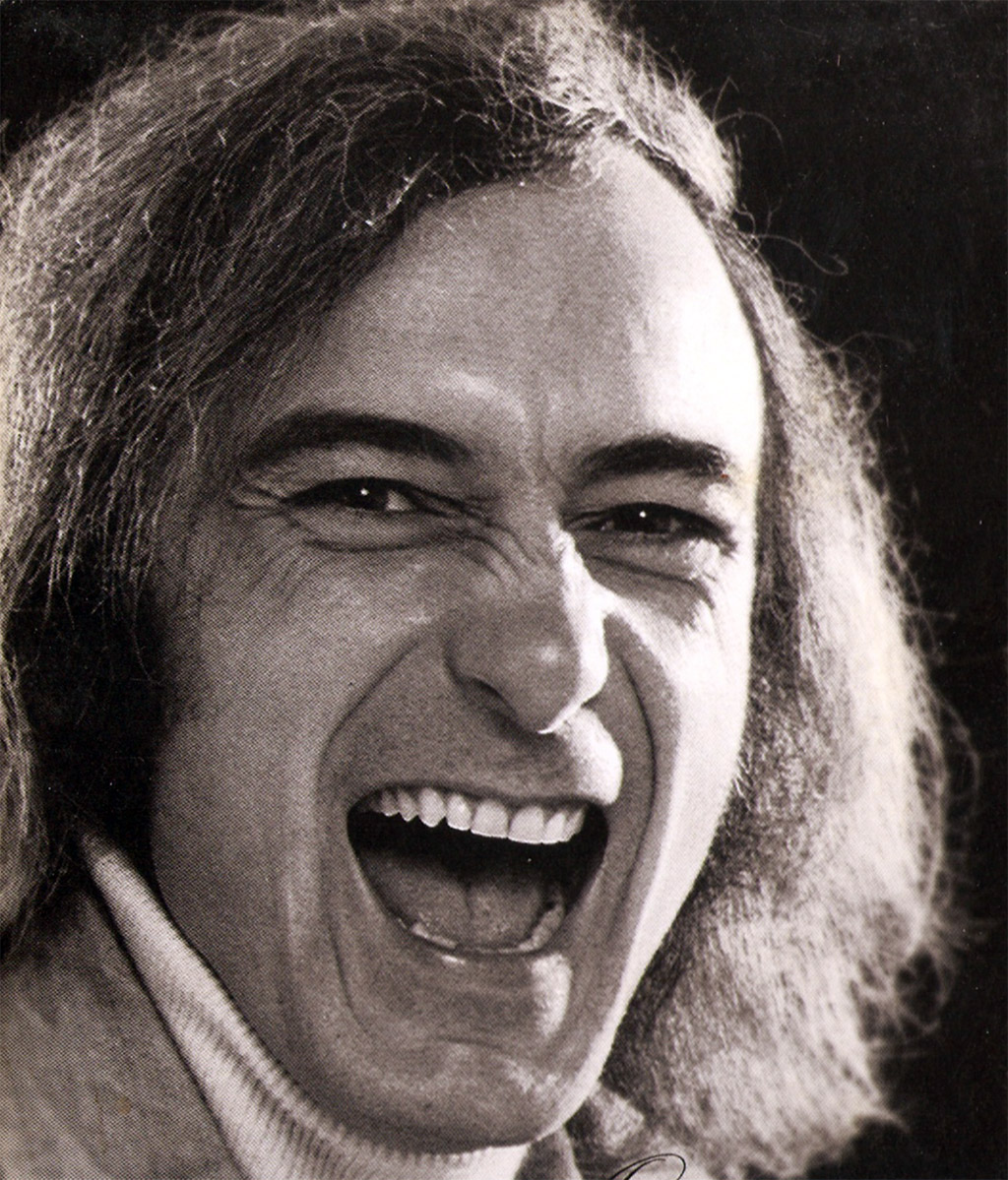
Saul Rubinek
Saul Rubinek was also part of the John Palmer menagerie, and he went on to become not only an actor in theatre but also a film actor in Hollywood. He was a teen when he first arrived at Le Hibou, and he took his newly found role very seriously. I recall an amusing incident when I asked the cast of the upcoming production to put up posters for the play. Saul countered haughtily that he was “an actor and actors do not put up posters.” I was of course shocked and could only reply that, if he wanted an audience for the play, he needed to put up some posters. He reluctantly took a few posters but I’m not sure if they were posted!
Jean Herbiet
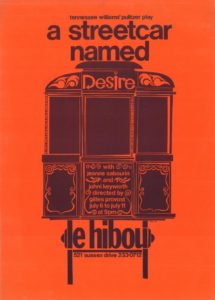
Always concerned about a balance between French and English, Le Hibou sponsored many French productions. Edgard Demers (who was also theatre critic for Le Droit) directed our first French play, “La Leçon,” by Eugene Ionesco. And of course, we had very good press at Le Droit, not only for theatre but for all of our other performances thanks to Edgard. Gilles Provost, actor and director, also mounted many plays for Le Hibou, some plays in English and some in French, including “A Streetcar Named Desire” by Tenessee Williams and “Les jumeaux etincelants” by Rene de Obaldia. Later he became a full-time theatre director of Le theatre de l’ile for the City of Hull (Gatineau). Jean Herbiet, who taught theatre at the University of Ottawa, also directed many plays for us, such as “Miss Julie” by August Strindberg. He later became French theater director for the NAC.
Clemence Desrochers
In 1965 I brought in a Montreal satirical revue called “On le prend pas,” featuring a Quebecois comedian Gilbert Chenier, originally from Hull, but now quite well known on the Montreal scene. Clemence Desrochers was part of the group as well as Yvon Deschamps, and it was then that Yvon started to do his inimitable hilarious monologues, satirizing Quebec culture and all human foibles. He later became the most celebrated of Quebec stand-up comics.
As I mentioned before, I wanted Le Hibou to be more than a coffee house featuring out of town performers with a sprinkling of occasional folk singers and chansonniers. I wanted it to be a small mecca of different forms of art. Hence, I had theatre (French and English), children’s theatre, films, even painting and sculpture exhibits, fashion shows, and dance performances. The selection of plays were eclectic, from London and Paris and Off-Broadway, such as Entertaining Mr Sloane, The Knack, The day the whores came out to play tennis, or classics like A Streetcar Named Desire, and even original local authors, including Vision of an Unseemly Youth by John Palmer.
I was quite fortunate to attract young and not-so-young innovative directors such as Tim Bond, John Palmer, Gilles Provost (who directed plays in French or English), Jean Herbiet, who was head of the French theatre at the University of Ottawa and then became head of French theatre at the NAC. I also managed to direct a few plays in the new venue. I had already directed Victims of Duty by Eugene Ionesco and The Maids by Jean Genet as well as others on Bank Street.
The day the whores came out to play tennis
There was an amusing incident when I directed The day the whores came out to play tennis. We had posters all over Ottawa—with a provocative design by Doug Peaker—and, of course, ads in the newspaper. Somehow the advertising caught the eye of Ottawa Police morality detectives. They came and stood in the back of Le Hibou for the duration of the play, waiting for something scandalous—I don’t know what, since there were no scandalous scenes. At the conclusion of the play, the detectives sheepishly said that the play was okay, but some words—the abominable swear words—should be cleaned up. I thanked them for the approval and comments, and they left. One actress was terrified—”What if they come back and arrest us?” I tried to reassure her, stating that they would not do that, even though I secretly relished the thought of such an incident occurring. It would have been great publicity! I advised her that if she didn’t feel comfortable with the words, she could just change them, which she did the following night. And of course the police never did show up—to the great dismay of a film crew who waited all evening.
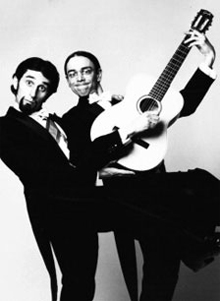
Pierre Elliott Trudeau came to Le Hibou once. I had booked Michel Choquette many times before as a solo artist. He did a lot of satirical and humorous songs and was quite unique in this genre. When Le Hibou moved to Sussex Drive, he called to say he was back from a tour in the United States He was a duo now and they called themselves “Times Square Two.” They had travelled the States in an old black hearse. When they arrived at their next engagement they would call the press and invite them to the municipal hall. There, they would show up with their hearse, dressed impeccably in tuxedos, perform a bit of their repertoire, and then present the surprised mayor with a card inviting him to their show. Unfortunately, they didn’t do this in Ottawa.
Times Square Two
But they did do up a poster with their photo and name Times Square Two with the caption: Two Heads are Better than One. Michel said he knew Trudeau and invited him for the show. All week long Trudeau didn’t show up and given that an election call was in the air, I didn’t think he would. But then on Sunday, after Times Square Two had done their last set, in came Trudeau and his RCMP guard and chauffeur. He excused himself profusely to Michel for missing his show, stated that it was a busy time, and asked Michel if he was still doing judo. (Michel belonged to the same judo club as Pierre in Montreal). Michel asked him to sign a poster, which Trudeau did . And as fast as he came, he waved goodbye to everyone and was off. I often think about that episode being so casual, compared to today where the PM requests the protection of an American president, with sniffer dogs four hours before the meeting, a thorough search of the building and its surroundings, and an army of heavily armed guards blanketing the PM bullet proof vehicle.
One time I called Bernie Fiedler of The Riverboat in Toronto to try to arrange a coordination of bookings amongst Le Hibou, The Riverboat and the New Penelope in Montreal. In doing so, it would have permitted us to have a better deal and the performers would have three consecutive dates in Canada. However, Bernie Fiedler was not at all interested. He preferred to go it alone. He liked to tell how clever he was to book Simon and Garfunkel for three different dates in the coming year. And of course, as they became more and more popular the club greatly benefited. However, I did manage to interest the New Penelope and we arranged joint bookings. The strategy worked for a while, but it was cumbersome, so finally we dropped it.
Harvey Glatt did the folk bookings at the beginning. These were done mostly through William Morris Agency in New York. Just about any artist could be booked through them. As time went on, I started to do more and more of the bookings and in the last few years I did just about all of the bookings as Harvey became less interested.
Joni Mitchell
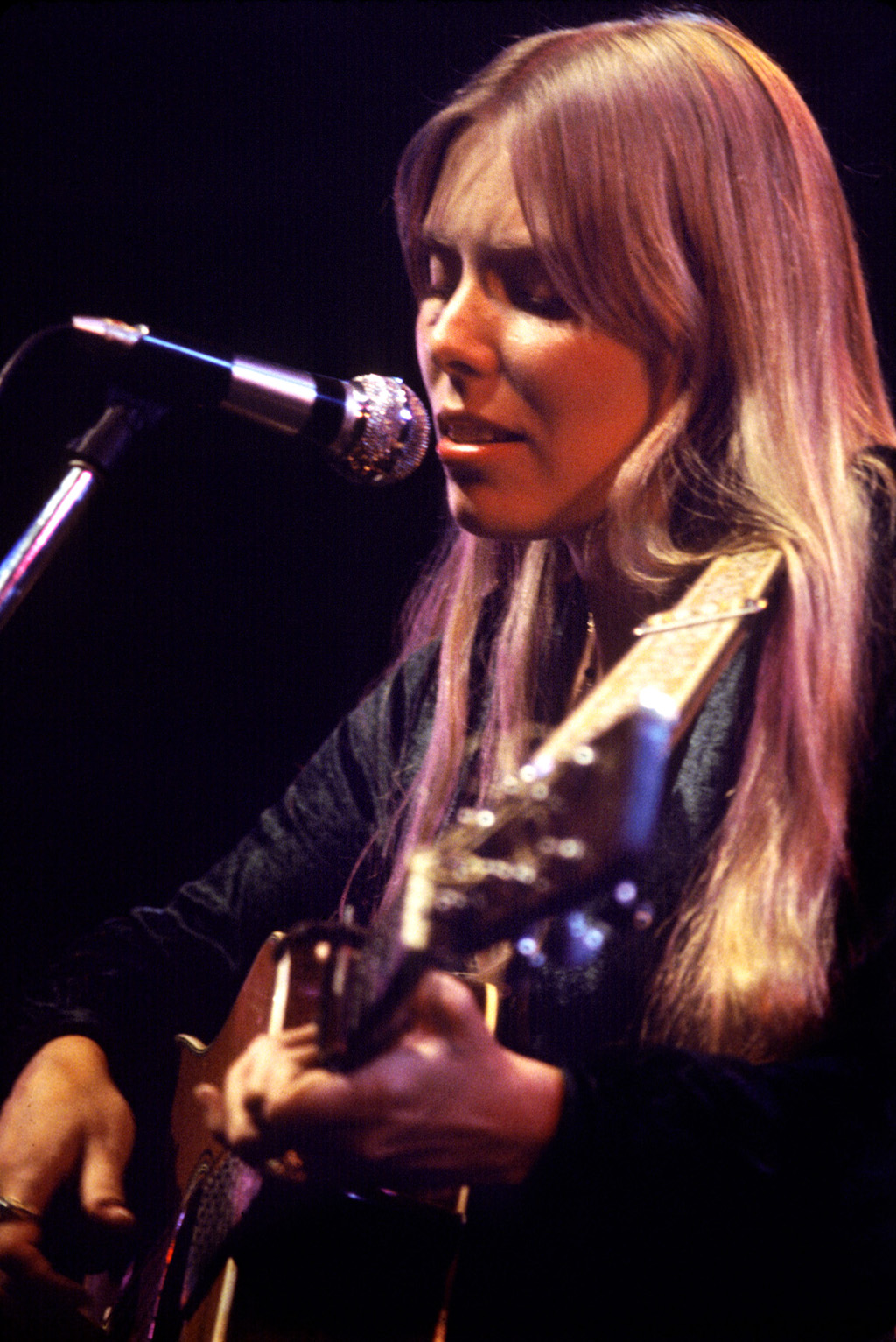
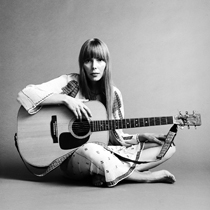
In June, l967, an agent from Detroit called me and proposed Joni Mitchell for the coffee house. Joni was growing in reputation and popularity and her agent was anxious to have her play at Le Hibou. Apparently, performing at Le Hibou was good for reputations. The arrangement was for a three week booking. I assumed that word would spread and that it would prove profitable for the coffee house. I also arranged through Peter Shaw, a music producer with CBC Radio to have her featured at an outdoor concert. This also provided Joni with extra revenue. I had hoped that all that exposure would bring large crowds, but that didn’t materialize. What did materialize was a friendship with Bill Stevenson. Joni loved antiques and Bill shepherded her from one antique store to another. I was told that she did gain some prized pieces, which she took back to Dearborn, where she was living at the time.
At a later date I booked Joni again for Le Hibou, and at the same time Harvey brought Jimi Hendrix to the Capitol Theatre. If I had not had Joni for that same week, and Harvey had not booked Jimi for a concert, the two might never have met. Joni did come back, many more times, to Le Hibou, to ever growing crowds, until only larger venues would cover her fee. She also suggested that I book her husband, Chuck Mitchell, which I did the following year. He was a competent performer but not quite as talented as Joni.
One of the ongoing problems for any coffee house is the constant ploy of some individuals to gain free access to club. The most popular one was “I’m a guest of the performer.” “Sorry but your name is not on the list.” In fact there were very few performers who would ask for guests privileges. Another was “I am the guest of Denis Faulkner.” Once I was working the door and some young lad brazenly walked in claiming to be “Guest of Denis Faulkner.” When I told him I was Denis Faulkner and that I didn’t know him, he blanched, then reddened and quickly turned and walked out. Another time someone arrived with a small piece of electronic equipment and wires claiming it was for the performer. There were also stories of guys smooching the female door attendants, decrying their poverty, and their intense desire to see the performer.
One group had found an imaginative way to get in. One of them would pay to get in, walk upstairs, go through the unlocked door leading to the rehearsal room and the storage room for the theatre group, open the side fire door and let the gang in. The following night I put some talcum powder on the steel fire stairs, followed the traces and promptly caught the culprits, white footed. I subsequently solved the problem by putting a large lock on the upstairs door.
From February 4-7, 1965 Carol Robinson and Amos Garrett were the first performers to play at the new Le Hibou. The week before they also performed at the old Le Hibou on Bank Street, so they closed one venue and opened up another. The following two weeks featured theatre: “Victims of Duty” by Eugene Ionesco. Cast included Gerard Gravelle, Taunia Gravelle, Robert Whelan, Noel Almay, Elizabeth Langley, and Jean Honeywell. I handled the direction. In retrospect I really don’t know how I managed to rehearse the play, manage the move and the coffee house, and carry a full-time job at the CBC. I suppose that in those days one didn’t think about it, it had to be done, and we did it.
Bruce Cockburn
Generally speaking I had a very good relationship with the performers. Most were very professional, although some lingered a little too long at the Chateau Lafayette pub around the corner, and we had to remind them occasionally that a crowd was waiting for their second set. But that was the exception. Some were cantankerous. Gord Lightfoot, who always drew a large crowd, would fuss for a long time in the adjustments of the sound system. Then in the middle of the first song, he would stop and snipe about the sound levels being all wrong. I happened to be at the sound one evening and it happened to me. Maybe he didn’t realize that the sound would be different with a room full of people. Maybe it was just his perfectionist bent, or maybe it was a way to defuse his nervousness. Despite this small idiosyncrasy he was a wonderful singer song writer.
Peter Hodgson (Sneezy Waters)
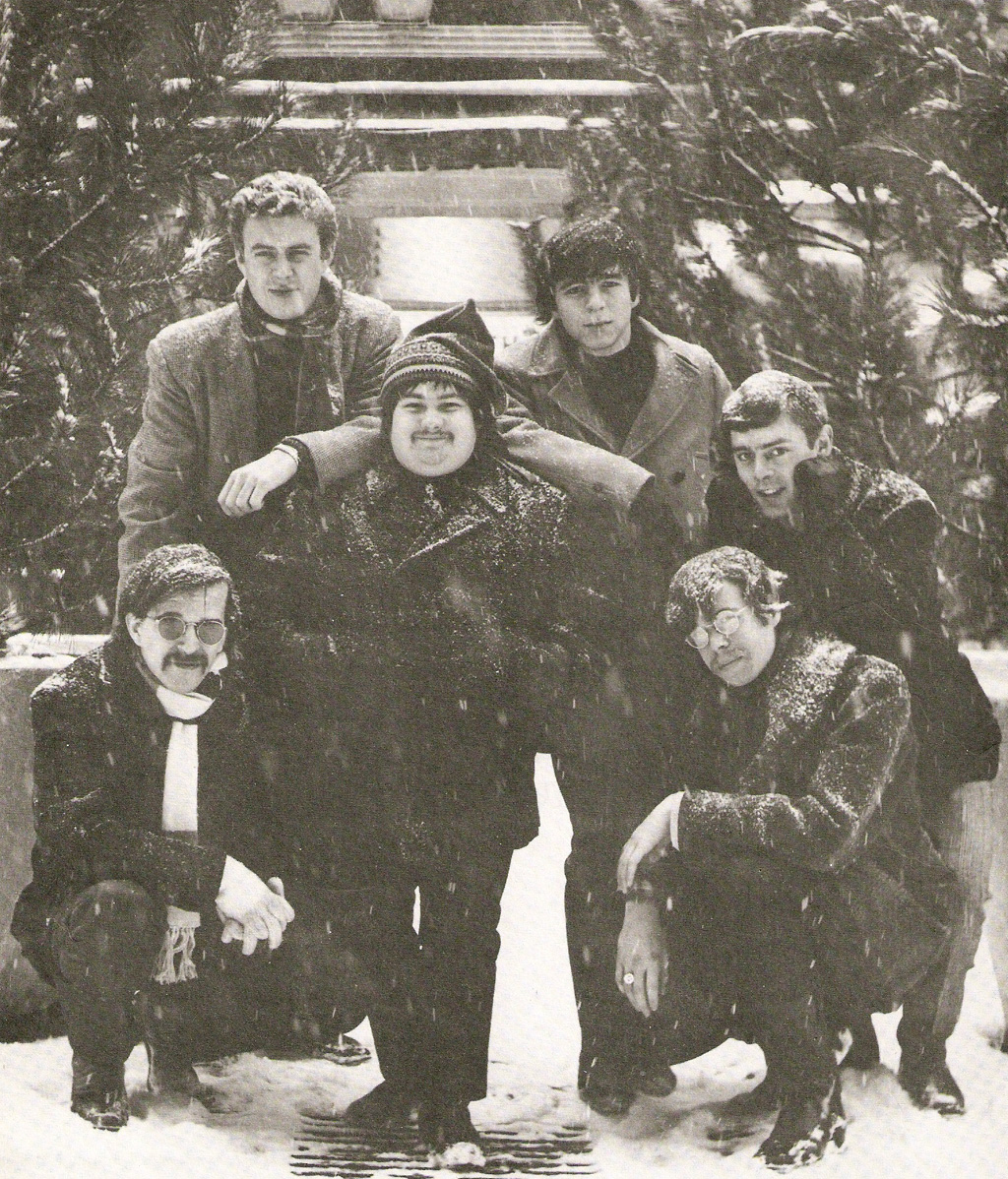
I also recall the first time Bruce Cockburn performed at Le Hibou. The arrangement, as usual, was a base amount versus a percentage of the gate. To my surprise, on his first night his brother was at the door counting every paying customers as though our staff was not competent or was intent on cheating. I was outraged at the time, I had no idea who instituted it, but I quickly put a stop to it. Other than that small episode, everything was smooth after that. Bruce subsequently became a regular performer at Le Hibou as a single, or in with The Children, Flying Circus, Olivus and 3’s a Crowd. He continued to perform while Le Hibou was managed by John Russow, and then Pierre-Paul Lafreniere. Then there was Peter Hodgson, always brimming with enthusiasm and joy, who played as a single, with Neville Wells as Nev and Pete, as Sneezy Waters, as A Rosewood Daydream and as Sneezy Waters and his Excellent Band.
Other Ottawa performers also played extensively at the club—Bill Stevenson, solo or with bands or his jazz quartet; Bill Hawkins with Heavenly Blue, The Children and other interfusions. Whenever I was stuck with a cancellation, one of the two Bills would always be able to fill in.
Sonny Terry and Brownie McGhee
In the new place we had a mezzanine above the kitchen. The previous owner, Hobby House, had used it as a small office. It had a large opening which overlooked the whole room. I presume that might also have been part of his anti-theft strategy as there were no anti-theft cameras then. Sonny Terry and Brownie McGhee were happy to use the room to relax and meet people. I had put in a sofa and an arm chair which were much more comfortable than the hard chairs in the main room. I would go and chat with them and sometimes they would complain about the industry, how the young rock bands would use their material without giving them credit. They would also complain that they had been playing for years making little money and these bands using their material would make ten times more, which they found quite unfair, and I quite agreed. (I would hear the same complaint from some of the blues bands.)
Jerry Jeff Walker
Sometimes Sonny and Brownie would tear at one another very much like a long time old couple. I recall on an early summer evening, Penny and I went up for a chat. It was hot and Penny had a leather coat. Brownie queried “Why wear a leather coat on such a hot day?” To this Penny laughingly answered. “Oh but I am not hot, I am nude underneath the coat.” Sonny, who is blind, interjected, “Oh, oh, oh, come here, come closer,” as he extended his arms, hoping to grasp Penny as she deftly pirouetted away. Everybody had a great laugh and the loudest laugh came from Brownie. I always enjoyed having them at the coffee house. They were quite down to earth, most professional, always gave a strong performance and were very amiable and drew consistent crowds. Their closing song “Walk on” has always impressed me—even though I’ve seen it many times. I was always touched seeing Brownie playing his guitar followed by Sonny, his hand on Brownie’s left shoulder, as they walked through the crowd towards the back of the room singing away. With any other artists it would be close to melodramatic, but with them it was always authentic and touching.
At one time I went to the airport to pick up Jerry Jeff Walker (Mr Bojangles) and when we arrived in Centretown, I told him that we were in the centre of Ottawa. He was astonished. “But where are all the tall buildings?” he exclaimed. I had to explain that, this being the capital of Canada, there was a by law prohibiting any building in the vicinity of Parliament Hill to be any higher than the Peace Tower.
Willie Dunn
1965 happened to feature aboriginal singers. Donald K Donald Agency of Montreal, with whom I dealt for Montreal performers, suggested that I hire this new Aboriginal singer Willie Dunn. Willie was the first aboriginal performer to broach aboriginal issues, and he did so in a very forceful voice. Later, Buffy Ste Marie came along with equally great passion, but her songs which she wrote and her poignant delivery was much more powerful. With her high cheek bones, long flowing black hair, vibrant eyes, and strong personality augmented by her aboriginal accoutrement, she commanded attention. Buffy demonstrated passion, sometimes anger in her songs about Aboriginal issues and history, but off stage she had a very gentle personality. Budge Crawley, of Crawley Films in Ottawa, ironically was in the process of doing a documentary film extolling the virtues of Saskatchewan for the government of that province. Buffy was born there and he jumped at the chance to film her at Le Hibou. I agreed and she performed in the afternoon in front of our brick wall. Odetta was also another politically engaged singer who had a powerful voice, and was also a powerful preacher. Sometimes she preached even more than she sang.
Allanah ________? Linda Luneau, Denis Faulkner, Georges Tremblay, ready to serve you!
Le Hibou never had a liquor licence, though occasionally I got a banquet licence to serve alcohol on occasions—once for New Year’s Eve. So we had to rely on other means to supplement income, since we were now open all day, I decided to offer lunch at noon for the civil servants and business people who worked nearby. At first we offered mainly sandwiches and salad. Our rye bread came daily from Rideau Bakery. Tatra Bakery at 25 St Etienne, in Hull, provided delicious buns for our ham and cheese or tomato and cheese sandwiches. We could not get our cakes from Augustine on Bank Street anymore since he didn’t deliver. Fortunately, the new young owners, Armin and Rheinholt, of Bronson Bakery, a German bakery, were only to happy to do delivery. Another advantage of being in the market area was that I was able to shop daily at Continental Deli and Saslove Meats, and choose my fresh produce from the stalls for the vegetables. On nearby George Street there was a Loeb warehouse for stores and restaurants, a good place for dry goods and canned products.
Later, I thought of running the place like a French bistro offering a choice of two hot dishes, which would vary from day to day. This proved quite popular, and we attracted a good clientele. The menu was quite varied, including beef strogonoff, chicken cacciatore, coq au vin, veal scallopine etc. It was a hectic time for me as some of time I had to do the cooking, but I loved the rush of the action and the occasional kudos from the customers. Eventually I was able to hire a full-time chef and Georges Tremblay, the actor, part of the Le Hibou theatre group did a wonderful job. More on him later.
There was also a CIBC bank at the corner of Rideau and Sussex and as it was the closest, it became our bank. I arranged with the bank the possibility of night drop off . I was given a pouch and deposit slips. I advised the staff to vary the hours of drop off since it was always late in the evening, and I didn’t want an incident. But quite often I would do it. I had a little routine: I would drive up with the VW van, check everywhere, jump out, key in hand, open the door, slam the pouch in and take off. If I walked, I always did it with another person. Luckily, we never had an incident but that was those days. I don’t know if it would be as easy and as safe today.